Which cables and motor components are suitable for F46 polyimide film insulation
F46 polyimide film (PI-FEP composite film) relies on the high temperature resistance, corona resistance, and high insulation properties of polyimide substrate, combined with F46 (perfluoroethylene propylene) coating to achieve self-adhesive sealing, oil and moisture resistance, and chemical medium resistance. It is an H-class and C-class special electrical insulation material, mainly used for insu
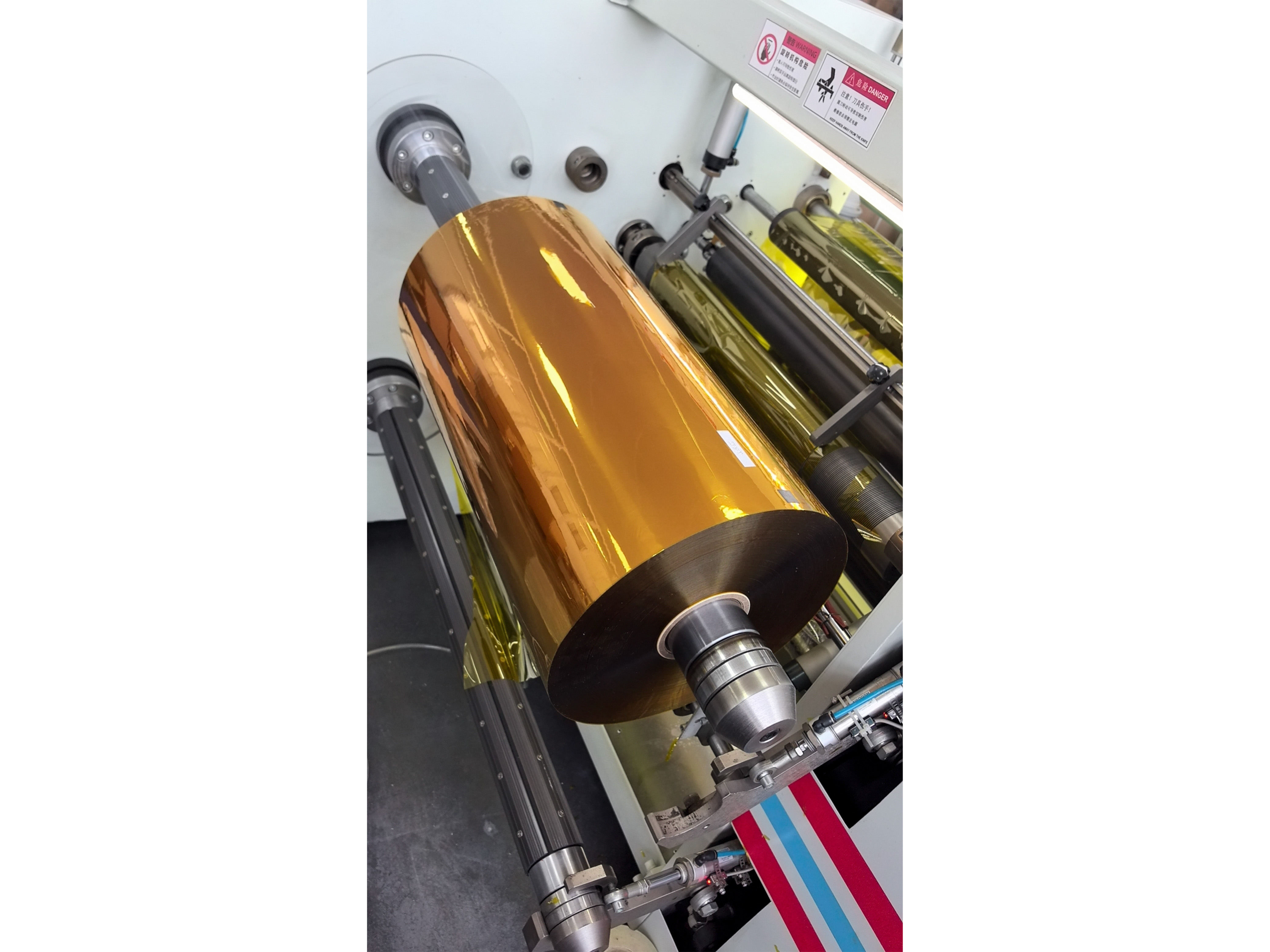
F46 polyimide film (PI-FEP composite film) relies on the high temperature resistance, corona resistance, and high insulation properties of polyimide substrate, combined with F46 (perfluoroethylene propylene) coating to achieve self-adhesive sealing, oil and moisture resistance, and chemical medium resistance. It is an H-class and C-class special electrical insulation material, mainly used for insulation between turns, layers, and ground of cables and motor components under harsh working conditions such as high temperature, frequency conversion, humidity, and oil content. Unlike ordinary PI film, its self melting sealing characteristic can achieve seamless sealing insulation after winding.
1、 Cables are suitable for insulation scenarios
1. High temperature resistant electromagnetic wire and sintered wire wrapped insulation
This is the core application of the film. Used for wrapping the outer layer of round wire and flat copper bar electromagnetic wire. After hot pressing and sintering, the F46 layer is melted and bonded to form a closed insulation sleeve, which improves the ability to resist moisture, oil, and partial discharge. It is widely used in locomotive traction, wind power, and underground submersible motor winding wire.
2. Special high-temperature cables
Aerospace wires, high-temperature resistant cables for rail transit, servo motor leads, sensor signal cables, flat cables, and high-voltage sampling harnesses for new energy. Suitable for long-term high temperature, vibration, oil and salt spray working conditions, with thin insulation layer and low electrical loss after winding.
3. Submersible oil and submarine cables
Underground submersible pump cables, underwater equipment cables, and F46 fluorine layers block the infiltration of water vapor, crude oil, and brine, preventing insulation hydrolysis failure. They are insulation materials for underwater cables in the oil and gas and water industries.
4. Heating cables, heat tracing tape insulation packaging
The inner insulation of the flexible heating wire and silicone rubber heat tracing pipeline is insulated and resistant to continuous heating, making it less prone to aging and breakdown.
2、 Insulation scenarios for motors and supporting components
1. High power variable frequency motor, traction motor
Rail transit traction motors, wind turbines, servo high-power motors, and metallurgical explosion-proof motors. Used for slot insulation, phase to phase insulation, winding end wrapping, and turn to turn insulation, to resist variable frequency pulse voltage, high-frequency partial discharge, and meet the requirements of heat resistance level H and above.
2. Submersible oil and submersible motors
Underground submersible motors and deep well submersible pump motors in oil fields are immersed in oil-water mixed media for a long time. The thin film is resistant to crude oil, water, and hydrolysis, protecting the winding insulation from rapid failure.
3. Transformers, reactors, and mutual inductors
High frequency transformers, special high-voltage transformers, filter reactors, dry-type transformers. Used for insulation between winding layers and isolation barriers, heat sealed after winding to reduce the probability of moisture absorption and prevent partial discharge.
4. Micro special motors and precision execution motors
Robot servo motors and aviation small drive motors achieve thin insulation inside narrow chambers, balancing lightweight, vibration resistance, and resistance to high and low temperature impacts.
5. Other electrical components
Solid state relays, high-voltage coils, excitation windings, piezoelectric components, high-frequency inductor windings, insulation windings, fixed wires, reduce vibration noise, and improve insulation reliability.



 WeChat number:

 Home
 Product
 Wechat
 Telephone