What is the heat resistance of F46 polyimide film
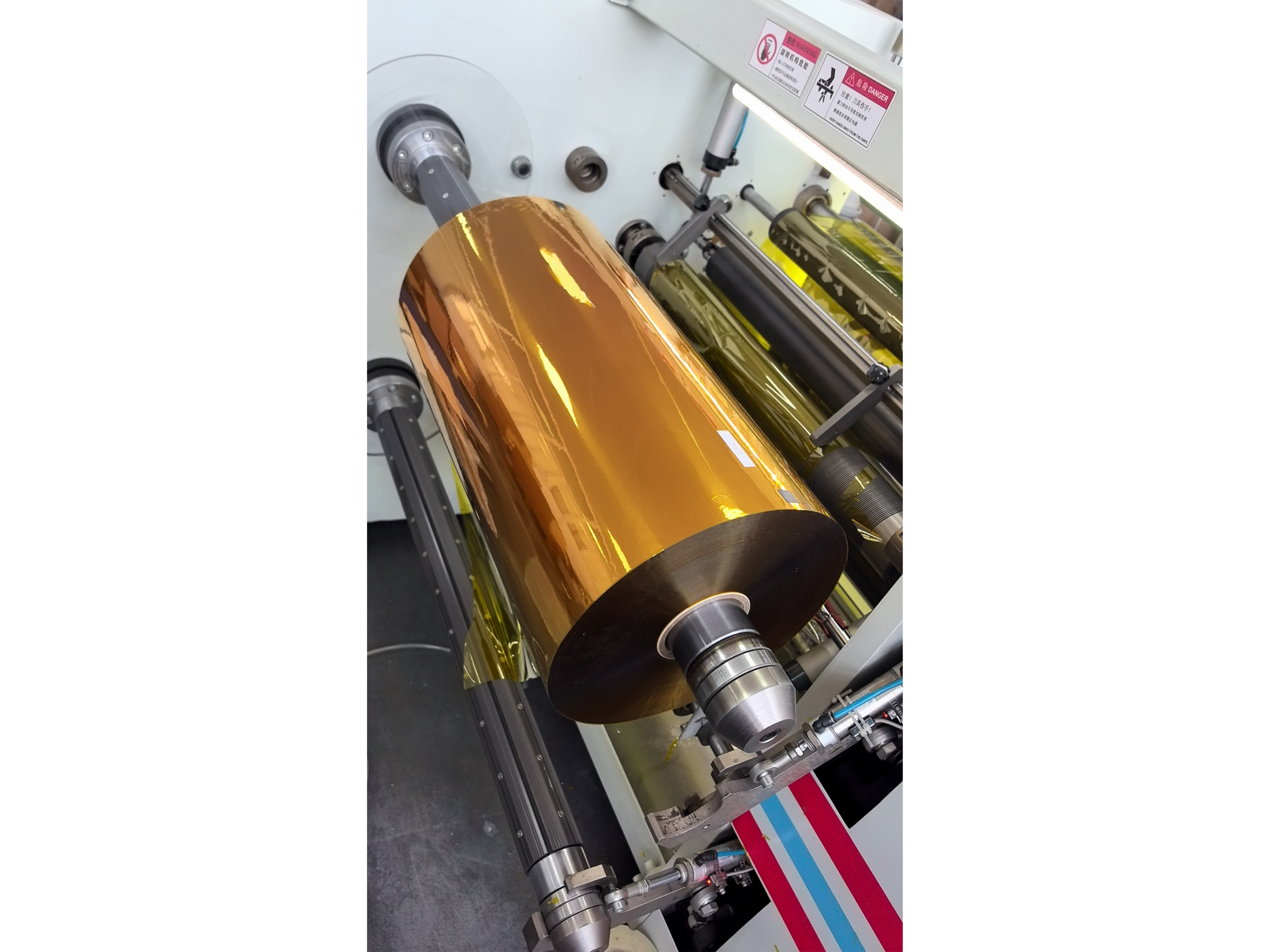
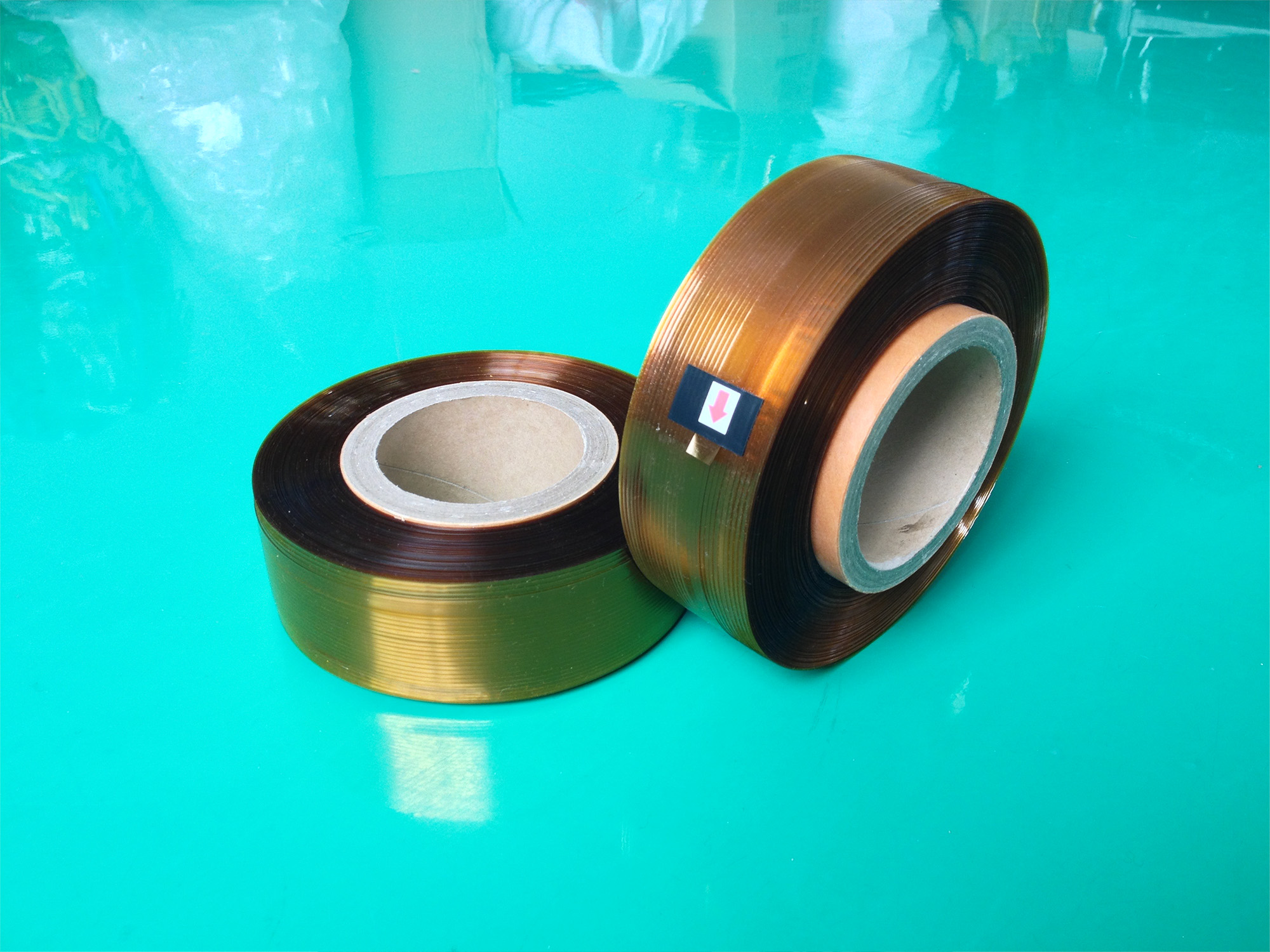
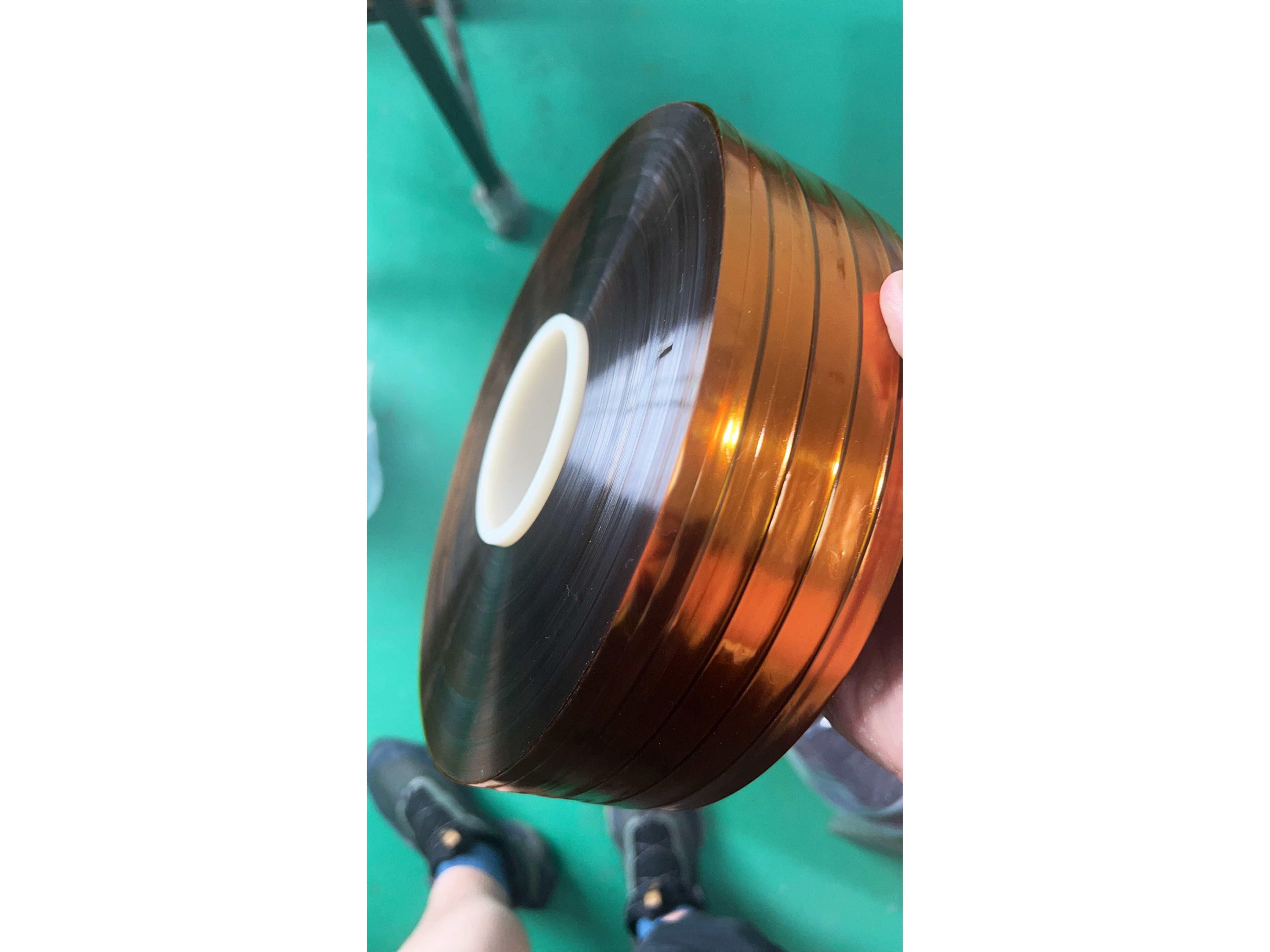
F46 polyimide film (FH single-sided/FHF double-sided, PI substrate coated with FEP perfluoroethylene propylene) is a composite film, and its heat resistance is determined by two layers of PI substrate and F46 fluorine coating. The PI substrate is heat-resistant, and the surface FEP has a melting point, which is the key boundary point of the material's heat resistance.
F46 polyimide film (FH single-sided/FHF double-sided, PI substrate coated with FEP perfluoroethylene propylene) is a composite film, and its heat resistance is determined by two layers of PI substrate and F46 fluorine coating. The PI substrate is heat-resistant, and the surface FEP has a melting point, which is the key boundary point of the material's heat resistance.
1. Long term continuous use temperature
Conventional continuous safe use temperature: -269 ℃~260 ℃, can work stably for a long time; Industry thermal aging test, still has a lifespan of 20000 hours under 264 ℃ conditions; To protect the FEP coating in engineering, it is recommended to control it within 240 ℃ for long-term design and extend its service life.
Insulation level: reaching H level (180 ℃) and C level (220 ℃), meeting the insulation system requirements for motors and electromagnetic wires.
2. Short term peak temperature resistance
Can withstand impacts of 350-400 ℃ in a short period of time;
Attention: The melting point of F46 (FEP) coating is about 260 ℃. When it exceeds 260 ℃, the fluorine coating will melt and undergo heat sealing bonding; Exceeding 400 ℃ will gradually decompose, release fluoride, and damage the mechanical and insulation properties of the membrane. The PI substrate itself does not melt, only the surface FEP melts first, which is different from pure PI film.
3. Thermal stability, thermal expansion, and flame retardancy
1. The thermal decomposition temperature is greater than 500 ℃, and it is not easy to burn at high temperatures. The flame retardant grade is UL94 V-0, self extinguishing, and has no sustained combustion.
2. Low coefficient of thermal expansion, good dimensional stability in high-temperature environments, small shrinkage rate at high temperatures, and not easily deformed.
3. Resistant to high and low temperature cycling: Repeatedly subjected to cold and hot shocks from low temperature to 260 ℃, it is not easily brittle and maintains flexibility and insulation performance.
4. Usage restrictions (emphasis)
If the temperature continues to exceed 260 ℃ for a long time, the FEP coating will melt and lose its heat sealing, moisture resistance, and chemical resistance properties, leaving only the PI substrate.
Under high temperature and high humidity conditions, long-term high temperature and water vapor will accelerate the hydrolysis and aging of PI substrate, reducing its service life.
3. If the temperature exceeds 400 ℃, the material will undergo thermal degradation and produce corrosive smoke. Long term use in this area is strictly prohibited.



 WeChat number:
 Home
Home
 Product
 Wechat
 Telephone